
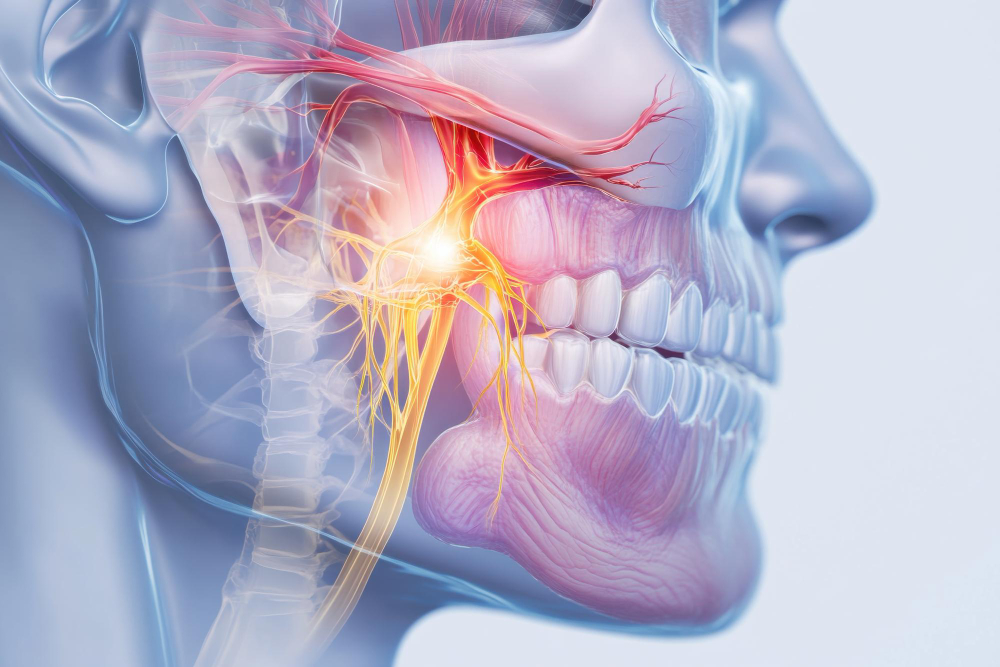
What is Trigeminal Neuralgia?
Trigeminal Neuralgia is a nerve disorder that causes sudden, severe facial pain. This pain often feels like an electric shock. The trigeminal nerve, which controls feeling in your face, becomes irritated or damaged. As a result, even gentle touches or mild movements can trigger intense pain. For many people, this condition can affect daily life and emotional well-being. Trigeminal Neuralgia is sometimes called “tic douloureux.” It is one of the most painful nerve conditions known.
Common Symptoms and Causes
People with Trigeminal Neuralgia often notice sharp, stabbing pain on one side of the face. Usually, the pain comes and goes in short bursts. However, it can last for seconds or even minutes. Sometimes, simple actions like brushing teeth, eating, or talking can trigger the pain. In addition, wind or light touch may also set it off.
There are several causes of Trigeminal Neuralgia. Most often, a blood vessel presses on the trigeminal nerve near the brain. This pressure damages the nerve’s protective covering. Sometimes, multiple sclerosis or a tumor can also cause the condition. In rare cases, injury or stroke may be the reason. According to the National Institute of Neurological Disorders and Stroke, Trigeminal Neuralgia affects about 12 out of every 100,000 people each year.
How is Trigeminal Neuralgia Diagnosed?
Doctors diagnose Trigeminal Neuralgia by asking about your symptoms and medical history. They may also perform a physical exam. Often, they will gently touch your face to check for pain triggers. In many cases, doctors use imaging tests, such as MRI scans, to rule out other causes. For example, an MRI can help find tumors or signs of multiple sclerosis. Early diagnosis is important because it helps guide the best treatment plan.
Non-Surgical Relief Options
Many people find relief from Trigeminal Neuralgia with non-surgical treatments. First, doctors often prescribe medicines to control nerve pain. These medicines can reduce pain signals and help prevent attacks. Common options include:
In addition, some people benefit from physical therapy or gentle massage. Sometimes, doctors may suggest nerve blocks or injections to numb the nerve. However, these treatments may only offer short-term relief. According to the American Association of Neurological Surgeons, medicines help most patients at first, but some may need other options if pain returns.
Surgical Treatments for Trigeminal Neuralgia
If medicines do not control the pain, surgery may help. There are several surgical treatments for Trigeminal Neuralgia. Each has its own risks and benefits. Your doctor will help you choose the best option based on your health and symptoms.
Although surgery can help many people, it may cause numbness or other side effects. Therefore, it is important to discuss all options with your doctor.
Lifestyle Tips and Prevention
While you cannot always prevent Trigeminal Neuralgia, some lifestyle changes may help manage symptoms. For example, keeping a pain diary can help you track triggers. In addition, gentle facial care and avoiding extreme temperatures may reduce attacks. Here are some helpful tips:
Although these steps may not cure the condition, they can make daily life easier.
When to See a Specialist
If you have sudden, severe facial pain, you should see a doctor right away. Early treatment can prevent the pain from getting worse. However, if medicines do not help or side effects are a problem, ask for a referral to a neurologist or neurosurgeon. These specialists can offer advanced treatments and help you find the best relief. According to the Mayo Clinic, prompt care leads to better outcomes for people with Trigeminal Neuralgia.
In summary, Trigeminal Neuralgia can cause severe facial nerve pain, but many relief options exist. Consult Dr Sanjay Kumar for personalized advice on Trigeminal Neuralgia relief.