
Introduction
Lumbar disc disease and sciatica are common causes of lower back pain that can travel down the leg. Many people experience back pain radiating down the leg, which is often linked to nerve compression in the lower spine. This pain may be due to a herniated disc or other lumbar spine health issues. Sciatic nerve pain can affect daily life, making it hard to walk or sit. Understanding these conditions helps you seek the right care and relief.
What is Lumbar Disc Disease?
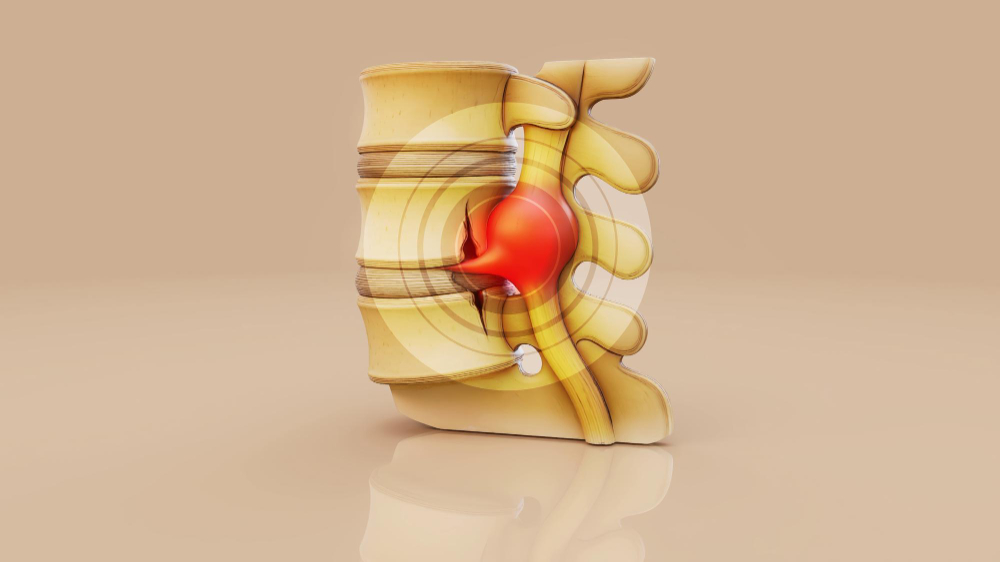
First, let’s look at the spine. The lumbar spine is the lower part of your back. It has discs that act as cushions between the bones. Over time, these discs can wear out or become damaged. When this happens, it is called lumbar disc disease. Sometimes, the disc may bulge or break open. This is known as a herniated disc. Both problems can press on nearby nerves, causing pain and other symptoms.
Understanding Sciatica: When Back Pain Travels Down the Leg
Sciatica is not a disease, but a symptom. It means pain that starts in the lower back and travels down the leg. This happens when the sciatic nerve, which runs from the lower back to the foot, gets pressed or irritated. Often, a herniated disc is the cause. However, other spine problems can also lead to sciatic nerve pain. Because the pain follows the nerve, it can be sharp, burning, or feel like an electric shock.
Common Symptoms
People with lumbar disc disease and sciatica may notice:
Sometimes, symptoms can come and go. But if you notice sudden weakness or loss of bladder control, seek medical help right away.
Causes and Risk Factors
Several things can lead to lumbar disc disease and sciatica. For example, aging causes discs to lose water and become less flexible. This makes them more likely to tear or bulge. Other risk factors include:
In some cases, an injury or accident can trigger symptoms. But often, the problem develops slowly over time.
Diagnosis: How Doctors Identify the Condition
Doctors use several steps to diagnose lumbar disc disease and sciatica. First, they ask about your symptoms and medical history. Next, they perform a physical exam to check your strength, reflexes, and sensation. If needed, they may order tests such as:
These tests help find the exact cause of your pain and guide treatment.
Treatment Options
Treatment for lumbar disc disease and sciatica depends on how severe your symptoms are. In most cases, doctors start with simple steps. For example:
If pain does not improve, other options may include:
Most people get better with non-surgical care. However, surgery may be needed if you have ongoing pain or nerve problems.
Prevention Tips and Lifestyle Guidance
While you cannot stop aging, you can lower your risk of lumbar disc disease and sciatica. Here are some helpful tips:
Making these changes can help protect your lumbar spine health and prevent future problems.
Conclusion
Lumbar disc disease and sciatica can cause back pain that travels down the leg. However, with the right care, most people find relief. If you have ongoing pain or new symptoms, consult a spine specialist Dr. Sanjay Kumar for personalized advice on lumbar disc disease and sciatica.