What is a Brain Stroke?
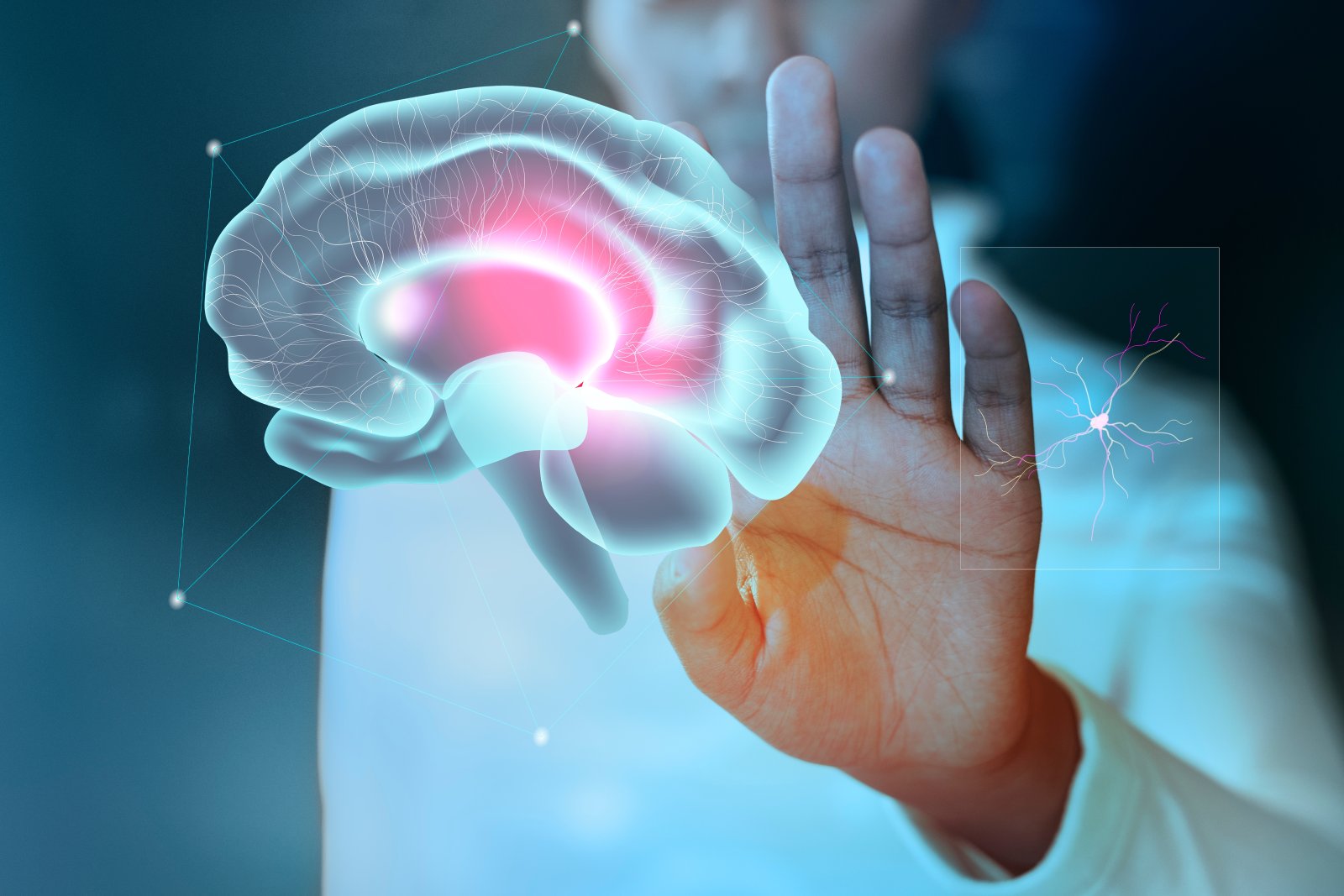
A brain stroke happens when blood flow to part of the brain stops. Because brain cells need oxygen, they start to die within minutes. This is why a brain stroke is a medical emergency. Early action can save lives and reduce long-term problems. Many people search for “stroke treatment near me” when they notice symptoms. Knowing what a brain stroke is can help you act fast.
Common Symptoms of Brain Stroke
Recognizing brain stroke symptoms early is very important. For example, quick action can limit brain damage. The most common stroke warning signs include:
Sometimes, symptoms may go away and come back. However, you should still seek help right away.
Causes and Risk Factors
There are two main types of brain stroke. First, an ischemic stroke happens when a blood clot blocks a vessel in the brain. Second, a hemorrhagic stroke occurs when a blood vessel bursts. Both types stop blood from reaching brain cells. Several risk factors can increase your chances of having a stroke. These include:
Even though some risk factors cannot be changed, many can be managed with healthy habits.
Why Timely Treatment is Critical
Time is very important during a brain stroke. Because brain cells die quickly, fast treatment can save brain function. For every minute without treatment, more brain cells are lost. The World Health Organization stresses that early care can reduce death and disability. Therefore, knowing stroke warning signs and acting fast is key. Quick action can also improve recovery and lower the risk of long-term problems.
Diagnosis and Emergency Response
When someone shows brain stroke symptoms, call emergency services right away. While waiting for help, try to note the time symptoms started. This helps doctors choose the best treatment. At the hospital, doctors use tests like CT scans or MRIs to check for a stroke. These tests show if the stroke is caused by a clot or bleeding. Because treatment depends on the type, fast diagnosis is important. Many hospitals offer emergency stroke treatment 24/7.
Treatment Options for Brain Stroke
Treatment for brain stroke depends on the cause. For ischemic stroke, doctors may use medicine to break up clots. Sometimes, they use special tools to remove the clot. For hemorrhagic stroke, treatment focuses on stopping the bleeding. In some cases, surgery may be needed. After emergency care, rehab helps people regain lost skills. Rehab may include physical, speech, or occupational therapy. Because every stroke is different, treatment plans are made for each person.
Prevention Tips and Lifestyle Guidance
Even though some risk factors cannot be changed, you can lower your risk with healthy habits. Here are some tips on how to prevent brain stroke:
Because prevention is better than cure, these steps can help protect your brain health. If you have questions about stroke treatment near you, ask your healthcare provider for local options.
Conclusion
A stroke is a medical emergency where every minute can matter. Sudden weakness, facial drooping, speech difficulty, vision changes, or loss of balance should never be ignored. Recognising the warning signs and seeking immediate medical care can help reduce complications and support better recovery.
Know the signs. Act without delay if a stroke is suspected.
Consult Dr. Sanjay Kumar for expert neurological evaluation and stroke care.