What Is a First Seizure?
A first seizure can be scary for both the person and those around them. This event happens when there is a sudden burst of electrical activity in the brain. As a result, the body may react in different ways. While some people may lose awareness, others may have shaking or twitching. For many, a first seizure is unexpected. However, knowing what to do during a seizure can help keep everyone safe. According to the Centers for Disease Control and Prevention (CDC), about 1 in 10 people may have a seizure during their life.
Common Symptoms of a First Seizure
First-time seizures can look different from person to person. Still, there are some common signs to watch for. For example, you may notice:
Sometimes, a person may sense a strange smell, taste, or feeling before the seizure. This is called an aura. But not everyone has an aura. If you see any of these signs, it is important to stay calm and act quickly.
Immediate Steps to Take During a First Seizure
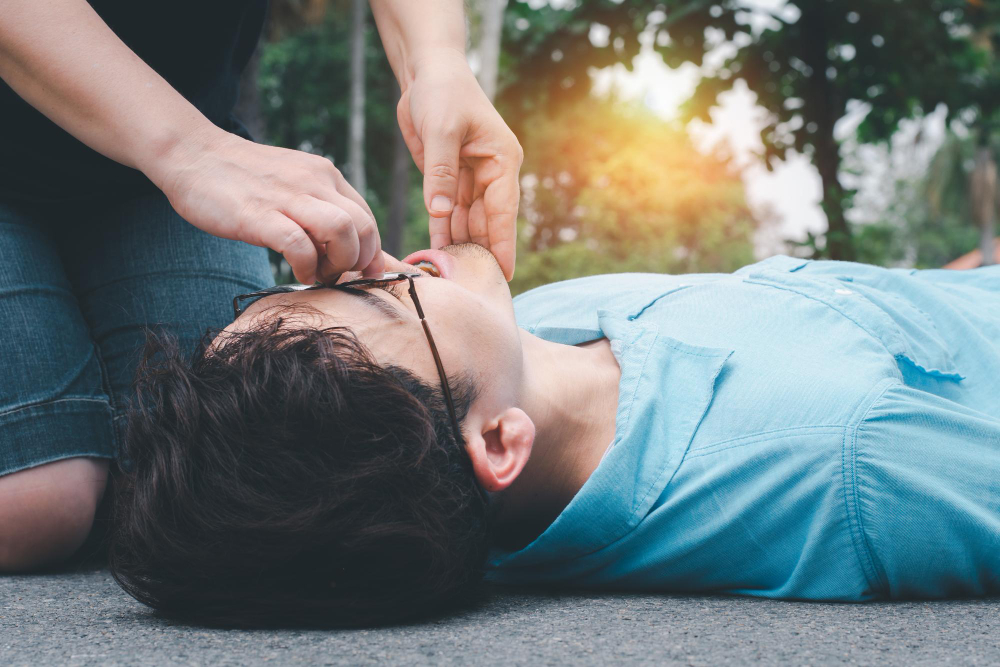
When someone has a first seizure, your actions can make a big difference. First, stay calm. Then, follow these steps:
After the seizure, offer reassurance. Most people feel confused or tired. However, if the person does not wake up or has trouble breathing, you should seek help right away.
When to Seek Emergency Medical Help
Sometimes, a first seizure needs urgent care. For example, call emergency services if:
Even if the seizure stops, it is wise to contact a doctor for first-time seizure help. In many cities, you can find first seizure care in your local hospital or neurology clinic. Early care can help prevent future problems.
How Doctors Diagnose a First Seizure
After a first seizure, doctors will want to find the cause. First, they will ask about what happened before, during, and after the event. Next, they may do a physical exam and check your medical history. In addition, tests may include:
Sometimes, doctors may refer you to a neurologist. This is a doctor who specializes in the brain and nerves. With these tests, doctors can decide the best treatment plan.
Treatment Options After a First Seizure
Treatment depends on the cause and risk of having more seizures. For many people, doctors may not start medicine after just one seizure. However, if tests show a higher risk, medicine may be needed. Treatment options can include:
Doctors will explain the risks and benefits of each option. They will also answer questions about what to do during a seizure in the future.
Tips for Preventing Future Seizures
After a first seizure, you may want to lower your risk of another. While not all seizures can be prevented, some steps can help. For instance:
Additionally, always talk to your doctor before starting new medicines. Some drugs can increase seizure risk. In some regions, support groups offer advice for first-time seizure help and prevention.
Lifestyle Guidance for People After a First Seizure
Life after a first seizure may feel different at first. However, you can still enjoy many activities. Consider these tips:
With the right care, most people can return to their normal routines. In many cities, first seizure care is available through neurology and neuro surgery clinics. For more information, you can visit trusted sources like the CDC or the World Health Organization.
Conclusion
If you or a loved one has had a first seizure, do not wait to get help. Book a consultation with Dr. Sanjay Kumar to discuss your symptoms and get expert guidance.