What is a Stroke?
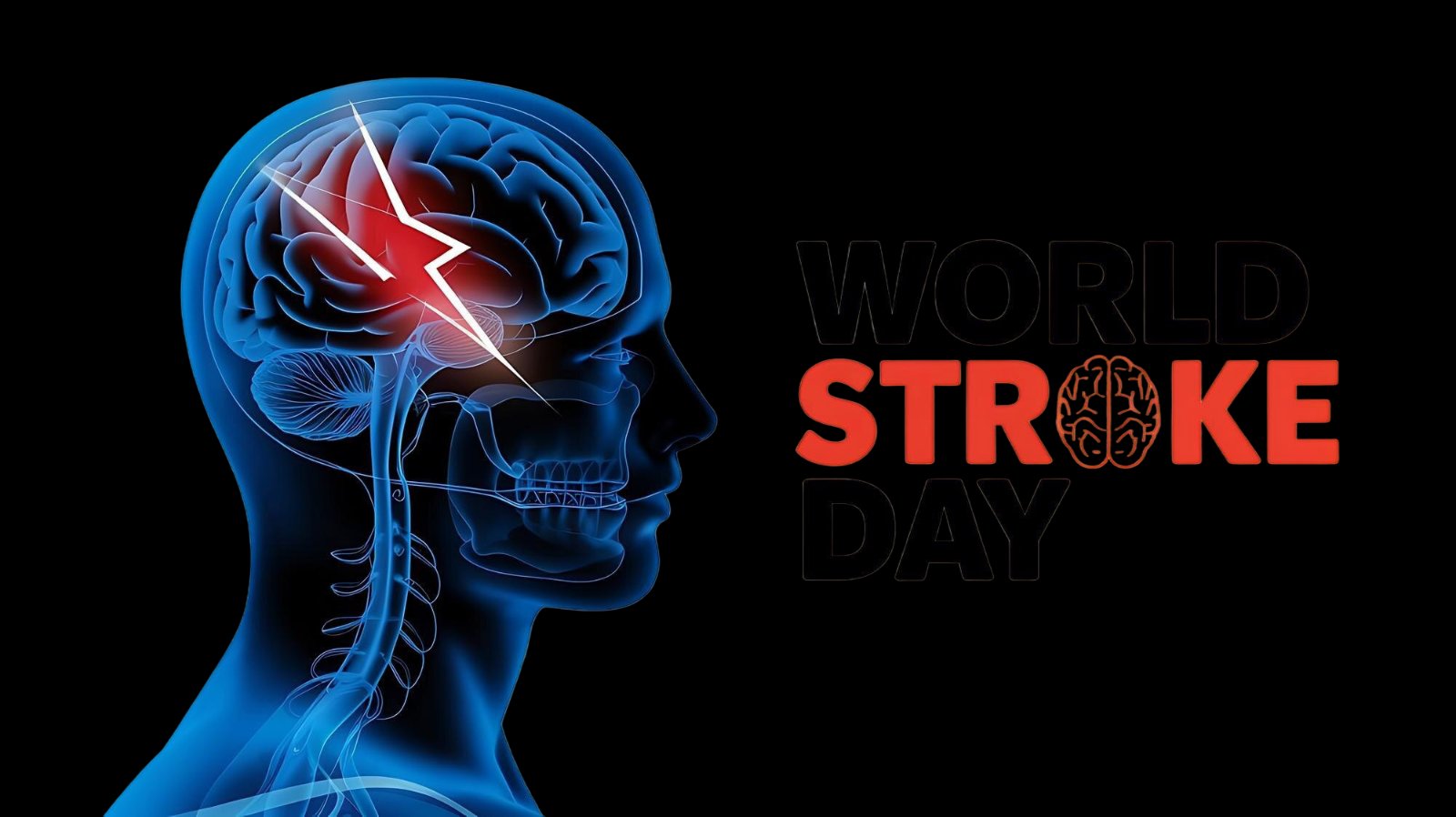
World Stroke Day: Sudden Weakness or Slurred Speech? Every Minute reminds us how fast a stroke can happen. A stroke occurs when blood flow to part of the brain stops. As a result, brain cells start to die within minutes. Strokes are medical emergencies. Therefore, quick action can save lives and reduce long-term problems. According to the World Health Organization (WHO), stroke is a leading cause of death and disability worldwide.
Why World Stroke Day Matters
Every year, World Stroke Day raises global stroke awareness. Many people do not know the signs of a stroke. Because of this, they may not get help in time. In many countries, stroke is a top cause of adult disability. By spreading knowledge, World Stroke Day helps people act fast and save lives. It also encourages healthy habits to lower the risk of stroke.
Recognizing Stroke Symptoms
Recognizing stroke symptoms early can make a big difference. Above all, remember that every minute counts. The most common signs include:
For example, if someone suddenly cannot move their arm or speak clearly, call emergency services right away. Quick action can help prevent brain damage.
Causes and Risk Factors of Stroke
Strokes can happen to anyone. However, some people have a higher risk. The main causes include blocked blood vessels (ischemic stroke) or bleeding in the brain (hemorrhagic stroke). Several risk factors increase the chance of stroke:
In many regions, stroke awareness campaigns focus on these risk factors.
How Strokes are Diagnosed
Doctors use several tests to diagnose a stroke. First, they check symptoms and medical history. Next, they may order brain scans, such as a CT scan or MRI. These tests show if there is a blockage or bleeding in the brain. Blood tests and heart checks can also help find the cause. Early diagnosis leads to better treatment and recovery.
Immediate Actions to Take During a Suspected Stroke
If you think someone is having a stroke, act fast. Every minute counts. Here is what you should do:
Because quick treatment can save brain cells, do not wait to see if symptoms go away. The sooner a person gets care, the better their chance of recovery.
Treatment Options for Stroke
Stroke treatment depends on the type of stroke. For a blocked vessel, doctors may use medicine to dissolve the clot. Sometimes, they use special tools to remove it. For bleeding in the brain, surgery may be needed. After the emergency, many people need therapy to regain skills. This can include physical, speech, and occupational therapy. Early treatment and support are key to better outcomes.
Prevention Tips and Lifestyle Guidance
Although not all strokes can be prevented, many steps lower your risk. For better stroke prevention and health, try these tips:
In addition, join local stroke awareness events in your area. Many countries offer free screenings and education on World Stroke Day. By making healthy choices, you help protect your brain and lower your risk.
Conclusion
If you have questions about stroke symptoms or prevention, Dr. Sanjay Kumar and our team are here to help. Schedule a consultation to discuss your concerns and get personalized advice.