What Are Blood Vessel Problems in the Brain?
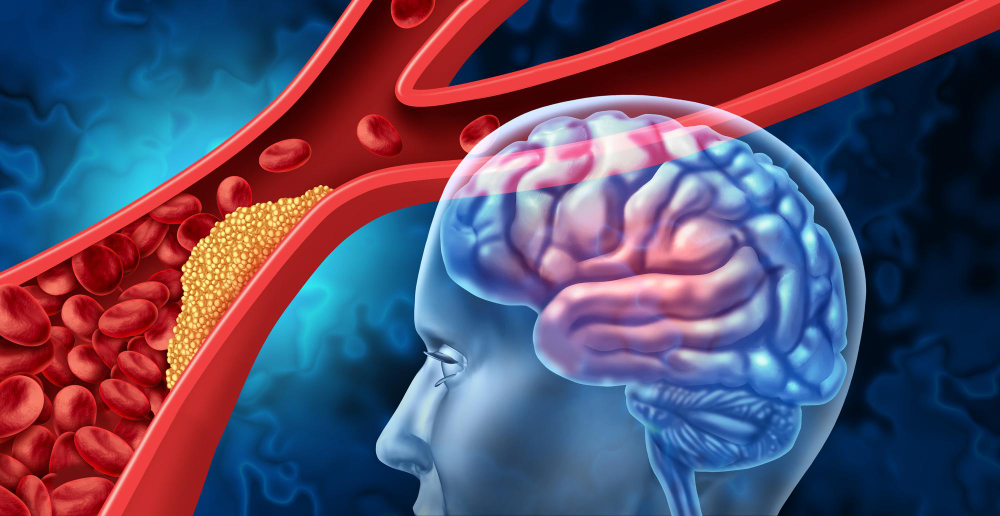
Blood vessel problems in the brain can lead to serious health issues. These problems may include blocked, weak, or burst blood vessels. For example, brain blood vessel disorders can cause strokes or brain aneurysms. In the United States, these issues affect many people each year. According to the CDC, stroke is a leading cause of death and disability. Because the brain needs a steady blood supply, any problem with its blood vessels can be dangerous. Early awareness helps prevent lasting damage.
Common Signs and Symptoms
Recognizing stroke warning signs or symptoms of brain blood vessel disorders is important. Quick action can save lives. While not everyone has the same symptoms, some are more common. For instance, sudden changes may signal a problem. Watch for these signs:
If you notice these symptoms, seek help right away. Early treatment can prevent further damage.
Main Causes and Risk Factors
Many things can increase the risk of blood vessel problems in the brain. Some risk factors can be changed, while others cannot. For example, age and family history are not changeable. However, lifestyle choices often play a big role. Here are some common causes and risks:
Because some risks are linked to daily habits, making healthy choices can help lower your risk.
How Blood Vessel Problems Are Diagnosed
Doctors use several tests to find blood vessel problems in the brain. First, they ask about your symptoms and health history. Then, they may do a physical exam. If needed, doctors order special scans. For example, a CT scan or MRI can show changes in the brain. Sometimes, doctors use ultrasound to check blood flow. Blood tests may also help find risk factors like high cholesterol or diabetes. Early diagnosis allows for better treatment and can help prevent future problems.
Prevention Tips and Healthy Lifestyle Guidance
Preventing brain blood vessel disorders is possible with healthy habits. Many steps are simple and can make a big difference. For example, following these tips can help protect your brain:
Because prevention is key, these steps can lower your risk of stroke and brain aneurysms. Consult Dr. Sanjay Kumar immediately if you notice any signs.