What Is a Brain Haemorrhage?
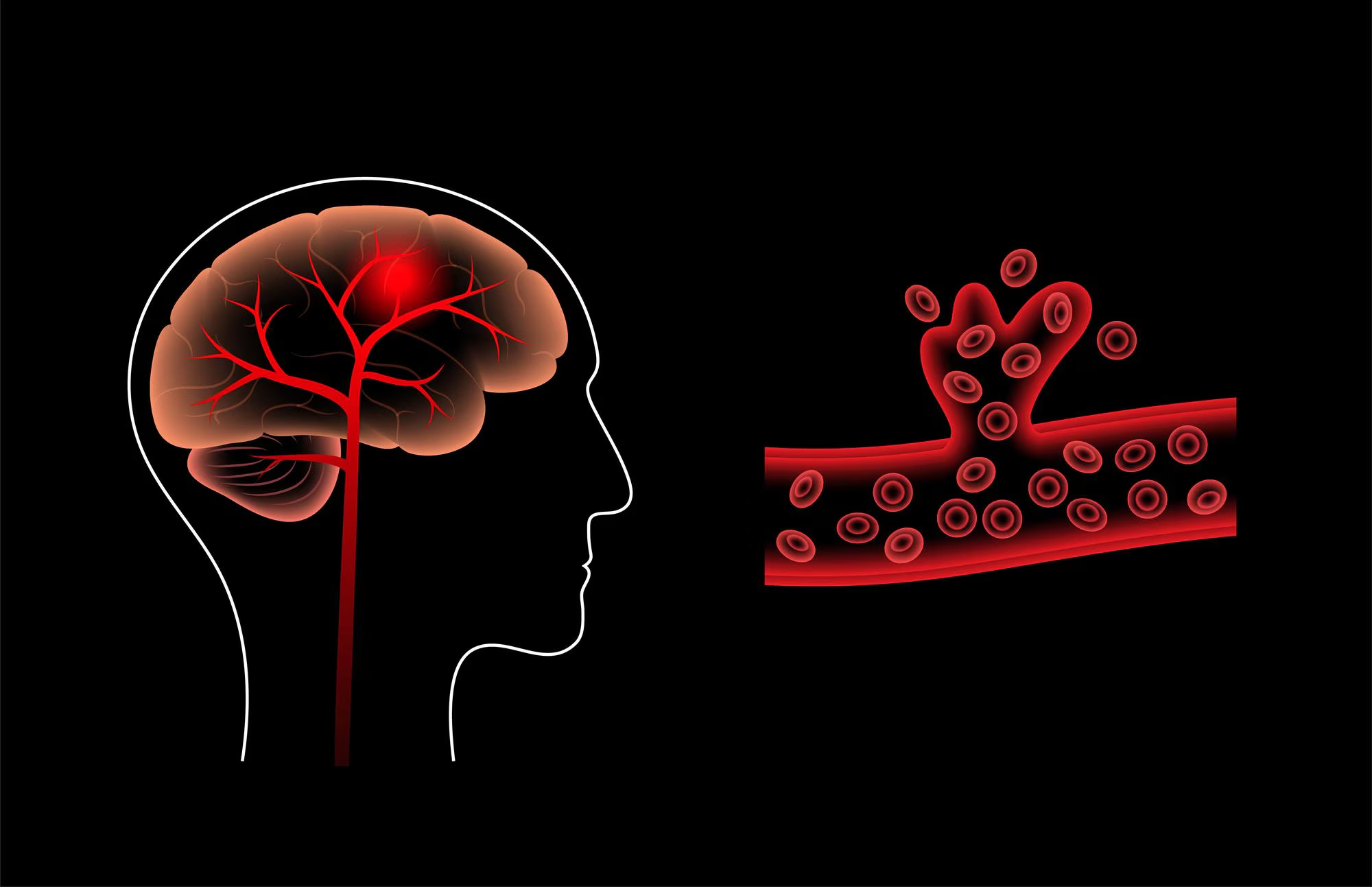
A brain haemorrhage is bleeding inside the brain. This happens when a blood vessel bursts. As a result, blood leaks into the brain tissue. This can cause serious damage. Early recognition of a brain haemorrhage is very important. If you spot the warning signs early, you can get help quickly. This can save lives and prevent long-term problems.
Common Causes of Brain Haemorrhage
There are several reasons why a brain haemorrhage may happen. Some causes are more common than others. Understanding these can help you lower your risk. For example, high blood pressure is a leading cause. But there are other reasons too.
Sometimes, a brain haemorrhage happens without any clear reason. However, knowing the common causes can help you stay alert.
Recognizing the Warning Signs and Symptoms
Early warning signs of a brain haemorrhage can appear suddenly. Because these signs are serious, you should never ignore them. Here are some symptoms to watch for:
Because these symptoms can be sudden, it is important to act fast. Even if you are unsure, it is better to seek help right away.
When to Seek Immediate Medical Help
If you or someone you know shows any warning signs of a brain haemorrhage, call emergency services immediately. Time is critical. The faster you get help, the better the chances of recovery. For example, if someone has a sudden severe headache or loses movement on one side, do not wait. Even mild symptoms can get worse quickly. Always treat these signs as a medical emergency.
Diagnosis and Emergency Response
Doctors use several tests to diagnose a brain haemorrhage. First, they may ask about symptoms and medical history. Then, they often use brain scans, such as a CT scan or MRI. These tests show where the bleeding is happening. In some cases, doctors may do blood tests or other exams. Quick diagnosis helps doctors decide the best treatment. Emergency care may include:
Because every minute counts, getting to the hospital fast is very important.
Prevention Tips and Lifestyle Guidance
While not all brain haemorrhages can be prevented, you can lower your risk. Here are some helpful tips:
Because healthy habits make a big difference, start making changes today. Even small steps can help protect your brain.
Conclusion
In summary, a brain haemorrhage is a serious medical emergency. Early warning signs, like sudden headache or weakness, should never be ignored. Quick action can save lives and reduce long-term damage. If you notice any warning signs of brain haemorrhage, consult Dr Sanjay Kumar or seek emergency care immediately.