Introduction
Degenerative scoliosis in adults is a sideways curve of the spine that develops as people age. Unlike scoliosis in children, this condition often appears after age 40. The main reason is wear and tear on the spine over time. As joints and discs in the back break down, the spine may start to curve. This age-related spinal condition is also called adult-onset scoliosis. Understanding why it develops later in life can help you spot early signs and seek help.
Symptoms and Warning Signs
Degenerative scoliosis can cause a range of symptoms. Some people may not notice any problems at first. However, as the curve worsens, you may experience:
Sometimes, symptoms can be mild. But if you notice changes in posture or pain that does not go away, it is important to talk to a doctor.
Causes and Risk Factors
Degenerative scoliosis in adults is mainly caused by age-related changes in the spine. Over time, the discs between the bones in your back lose water and become less flexible. This process is called disc degeneration. As a result, the spine may become unstable and start to curve.
Other risk factors include:
According to the World Health Organization (WHO), age is the biggest risk factor for degenerative spine conditions. As people live longer, these issues are becoming more common.
Diagnosis
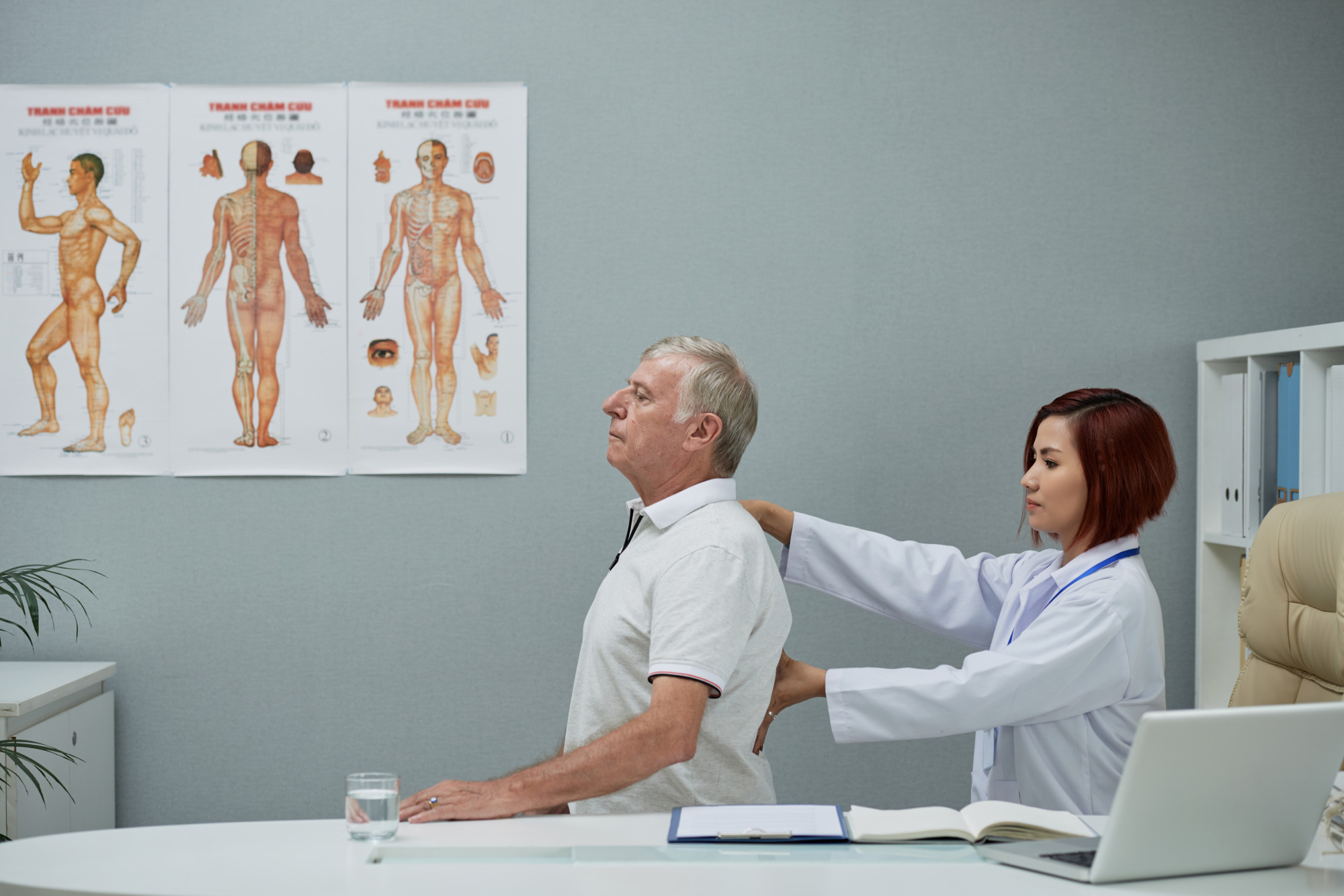
Doctors use several steps to diagnose degenerative scoliosis in adults. First, they ask about your symptoms and medical history. Next, they perform a physical exam to check your posture, flexibility, and nerve function. Often, they order imaging tests such as:
These tests help doctors find the cause of your symptoms and plan the best treatment.
Treatment Options
Treatment for degenerative scoliosis in adults depends on the severity of symptoms. Many people improve with non-surgical care. However, some may need surgery if pain or nerve problems are severe.
Non-Surgical Treatments
Surgical Treatments
Surgery is usually considered only if other treatments do not help. According to the CDC, most adults with mild curves do not need surgery.
Lifestyle Guidance and Prevention Tips
While you cannot stop aging, you can take steps to protect your spine. Here are some tips:
These habits can help slow down age-related spinal changes and reduce your risk of adult scoliosis.
When to Seek Medical Help
If you notice back pain that does not improve, changes in posture, or numbness in your legs, see a doctor. Early diagnosis can prevent the curve from getting worse. In addition, if you have trouble walking or lose control of your bladder or bowels, seek help right away. These may be signs of nerve problems that need urgent care.
For personalized advice about degenerative scoliosis in adults, consult Dr. Sanjay Kumar, a neurology and spine specialist.